Why Melbourne roofs break where they do
The gale comes before the change
North-west winds build ahead of a cold front and can reach gale force before the cooler south-westerly arrives off the Southern Ocean. That's the wind that finds a ridge cap with crumbling mortar or a tile that's already sitting slightly proud. After a blustery change, look along the ridge line from the street for anything out of line.
Hail lands in bands, and the outer east has copped the worst
In the 6 March 2010 storm, hail was golf-ball sized in the city and western suburbs but cricket-ball sized between Ferntree Gully and Lysterfield, where a stone of 10 to 11 cm was reported. Winds topped 100 km/h at Melbourne Airport the same afternoon. Two suburbs in the same storm can need completely different repairs.
Federation roofs have a lot of edges
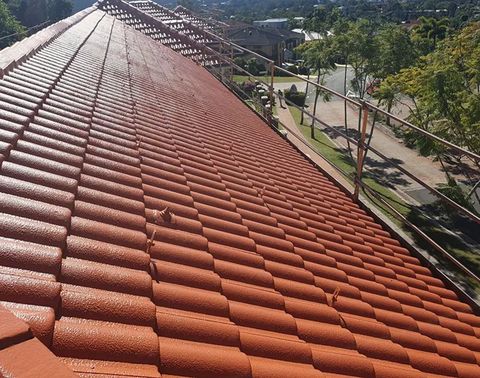
Federation homes, built roughly 1890 to 1915, usually have terracotta tiles and decorative gables. Every gable, hip and valley is another line of mortar or flashing that can let go, so these roofs tend to need small repairs in more places than a plain hipped roof.
What a typical Melbourne repair visit covers
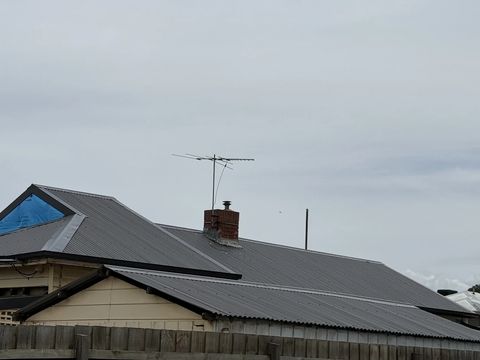
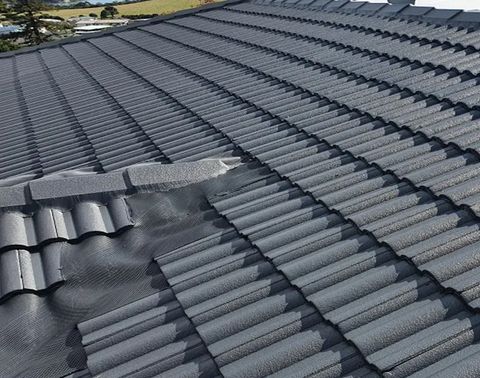
On a tiled roof, the usual jobs are replacing cracked tiles, re-fixing or rebedding a few ridge caps, and clearing or resealing a valley. On metal, it's loose or rusted screws, lifted sheets after wind, and flashings around chimneys and vents.
Old terracotta can be hard to match, so a good roofer will tell you whether they have suitable tiles or need to source reclaimed tiles. If one storm has broken tiles all over the roof, ask if a repair still makes sense or if it's time to think about a restoration.
What to ask a Melbourne roofer before they start
- Can you match my existing tiles, or will the replacements look different?
- Is this storm damage, and will you photograph it so I can show my insurer?
- While you're up there, will you check the ridge, valleys and flashings and tell me what else is close to failing?
- Are you registered with the Building and Plumbing Commission for roof tiling, or licensed for roofing (stormwater) plumbing if the repair is metal or flashings?
- Is the price fixed, or hourly plus materials, and what warranty comes with the repair?
What you can check yourself, and what to leave
You can
- Look over the roof from the street or the backyard with binoculars after a windy change
- Check the ceiling and the top of internal walls for new stains after heavy rain
- Take dated photos of any damage before anyone touches it
Leave to a roofer
- Anything that means standing on the roof, wet or dry
- Replacing tiles, ridge caps, screws or sheets
- Hail damage assessment for an insurance claim
Our take
We'd fix a lifted ridge cap or a slipped tile before the next cold front, because small wind damage turns into a leak quickly once the showers arrive. If hail has gone through your suburb, call your insurer first, then get a roofer to document what they find. For broader context, our national roof repairs page explains the common repair types, and the Melbourne roofing hub covers what else is different about roofs here.
Want a roofer to take a look?
Tell us the job and your postcode. We match it with a Find My Roofer certified roofer who specialises in that kind of work, and they call you to quote. Your number goes to them alone.