What Melbourne's housing means for a restoration
Federation homes and bungalows
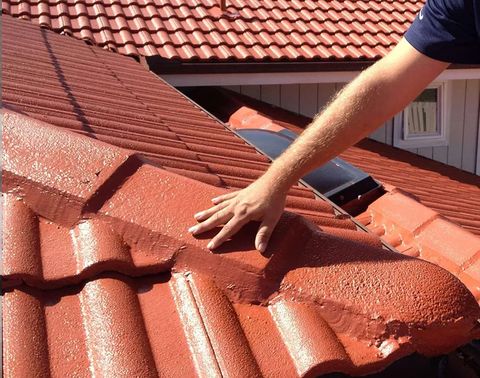
Federation houses from about 1890 to 1915 typically have terracotta tile roofs with decorative gables, and the California Bungalow followed them in popularity. Camberwell and Caulfield are known for Edwardian homes and bungalows. Those roofs often have plenty of ridges, hips and gables, which means more mortar to rebed and more edges to get right.
The postwar building boom
The Housing Commission of Victoria built tens of thousands of homes from the late 1940s to the early 1970s, including the satellite towns of Pakenham, Sunbury and Melton. Plenty of roofs from that era are around half a century old now. If yours is that age and you're not sure what it's made of, rule out asbestos cement before any cleaning starts.
Moss loves the south-east and the hills
Mornington averages 736.7 mm of rain a year against Melbourne Airport's 515.5 mm, and the Dandenong Ranges get 1000 to 1500 mm under tall mountain ash forest. Damp, shaded roofs grow moss and lichen, which hold water against the tiles and stop a new coating bonding. In those areas, a proper moss treatment matters more than the colour you pick.
Hotter days are more common
Melbourne's record is 46.4 °C, set on 7 February 2009, and occasional days of extreme heat have become more frequent since 2005. A coating has to handle that sun year after year, so ask about the product's heat performance, not just its colour.
When a Melbourne roof is past restoring
If tiles are cracking right across the roof, or terracotta is crumbling at the edges when touched, a coat of membrane won't save it. The same goes for a roof that turns out to be asbestos cement: don't let anyone pressure clean or walk on it, and read is my roof asbestos? first.
Our restore or replace tool gives you a quick lean. If two roofers independently tell you the tiles are finished, get a re-roofing price too.
One more local warning: Consumer Affairs Victoria says roof re-coating has attracted some unethical operators. Check that a business has a real name and street address, keep the deposit modest (it suggests generally no more than 10 per cent), and know that a restoration worth more than $10,000 must be done by a builder registered with the Building and Plumbing Commission, because roofing isn't one of Victoria's exempt single trades.
Questions for a Melbourne restoration quote
- How many tiles need replacing, and can you match my terracotta or concrete tiles?
- Will you fully rebed the ridge or only repoint it, and with what product?
- How will you treat the moss, and do you let it die off before cleaning?
- Which coating system are you using, how many coats, and what's its heat performance?
- Is my street under a heritage overlay that limits the colour I can choose?
- What's your Building and Plumbing Commission registration number, so I can look it up?
If it were our roof
On a sound Federation or bungalow roof, we'd restore and spend the extra on doing the ridges and moss treatment properly, because that's where these roofs fail. We'd ask for photos of every slope before and after. And in the hills or the wetter south-east, we'd book a gutter clean and moss check every year after the job so the coating lasts. Our national roof restoration page covers the basics, and the Melbourne hub has more on local conditions.
Want a roofer to take a look?
Tell us the job and your postcode. We match it with a Find My Roofer certified roofer who specialises in that kind of work, and they call you to quote. Your number goes to them alone.